Primary Muscles: The Lower Chest (Pectoralis Major, Sternal Head)
The primary target of the decline press machine is the pectoralis major—the large, fan-shaped muscle that makes up the bulk of the chest—with a specific focus on its sternal head (lower fibers). The machine’s decline angle (typically 15 to 30 degrees) tilts the upper body downward, which aligns the resistance path to directly engage the lower chest fibers more intensely than flat or incline presses. This targeted activation is critical for addressing the often-underdeveloped lower chest, helping to create a fuller, more balanced chest appearance and preventing the "droopy" chest look that can result from neglecting this area. During the pressing motion, the sternal head of the pectoralis major contracts to push the handles forward, driving horizontal adduction of the arms (bringing them toward the midline of the body).
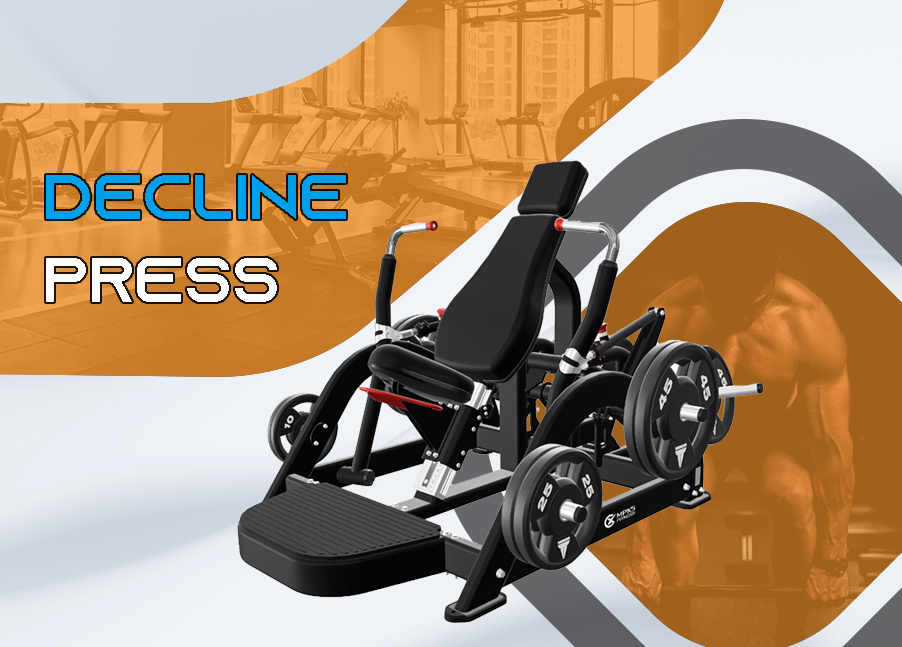
Secondary Muscles: Triceps and Anterior Deltoids
While the lower chest is the star, the decline press machine also engages two key secondary muscle groups that assist in the pressing movement, enhancing overall upper-body pushing strength:
-
Triceps Brachii: The triceps—located on the back of the upper arm—are essential for elbow extension, which is required to push the machine’s handles forward. Specifically, the long head of the triceps is most active during the movement, as it works in tandem with the chest to generate pushing force. This makes the decline press machine a effective accessory exercise for building tricep strength alongside chest development.
-
Anterior Deltoids: The front portion of the shoulder muscles (anterior deltoids) assists in the pressing motion by helping to flex the shoulder joint and stabilize the upper arm. While their engagement is secondary to the chest, they play a crucial role in maintaining proper form and supporting the overall movement, especially during the final phase of the press when the arms are nearly extended.
Stabilizing Muscles: Core and Upper Back
Stabilizing muscles are often overlooked but are vital for maintaining proper posture, preventing injury, and ensuring effective muscle engagement during the decline press. These muscles work to keep the body stable against the machine’s resistance:
-
Core Muscles: The rectus abdominis, obliques, and transverse abdominis engage to keep the torso stable and prevent excessive arching of the lower back. This stability is particularly important because the decline angle can place subtle stress on the lower back if proper form is not maintained, making core activation essential for safety.
-
Upper Back Muscles: Muscles like the rhomboids and trapezius (middle and lower fibers) stabilize the shoulder blades, keeping them retracted and down throughout the movement. This prevents the shoulders from rounding forward, which can strain the shoulder joints and reduce chest engagement.
How to Maximize Muscle Engagement on the Decline Press Machine
To ensure you’re targeting the right muscles and getting the most out of your workout, follow these key tips:
-
Adjust the Seat Properly: Position the seat so that the handles align with your lower chest. This alignment ensures the resistance targets the sternal head of the pectoralis major rather than shifting focus to the shoulders or triceps.
-
Maintain Proper Form: Keep your back firmly pressed against the machine’s pad, shoulders retracted, and chest lifted. Avoid arching your lower back or locking your elbows at the top of the movement—this maintains constant tension on the chest muscles and reduces joint strain.
-
Control the Movement: Move the handles slowly and deliberately, focusing on squeezing the chest at the top of the press. Avoid using momentum to push the weight, as this reduces muscle activation and increases injury risk.
-
Pair with Complementary Exercises: Combine the decline press with flat and incline presses to target the entire chest, along with tricep and shoulder isolation exercises to build balanced upper-body strength.
In summary, the decline press machine is a targeted, joint-friendly exercise that prioritizes the lower chest while engaging the triceps, anterior deltoids, and core stabilizers. By understanding which muscles it works and following proper form, you can effectively build chest mass, improve upper-body strength, and achieve a more balanced physique.


